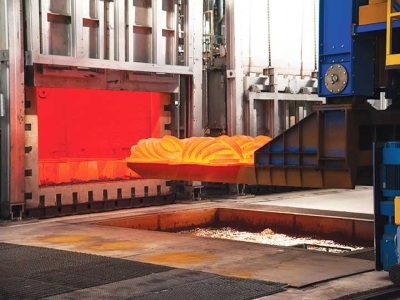
Silicone rubber heaters are flexible heating elements that are widely used in experimental environments that require precise temperature control. However, in thermal runaway experiments, the heater may be damaged due to extreme heating conditions and impurities in the environment. Based on the experimental scenario, this article describes in detail the temperature rise of the silicone rubber heater in the experiment, the heating performance, the damage causes, the precautions for use, and how to prevent similar problems.
Experimental background
The thermal runaway experiment aims to study the behavior of specific materials or equipment under abnormally high temperatures. The silicone rubber heater used in the experiment needs to provide a uniform heating environment under specific conditions. However, during the experiment, the heater was damaged due to environmental complexity (such as temperature and humidity, installation and disassembly methods, impurities, dust, and potential short circuits). The following are the main situations at the experimental site:
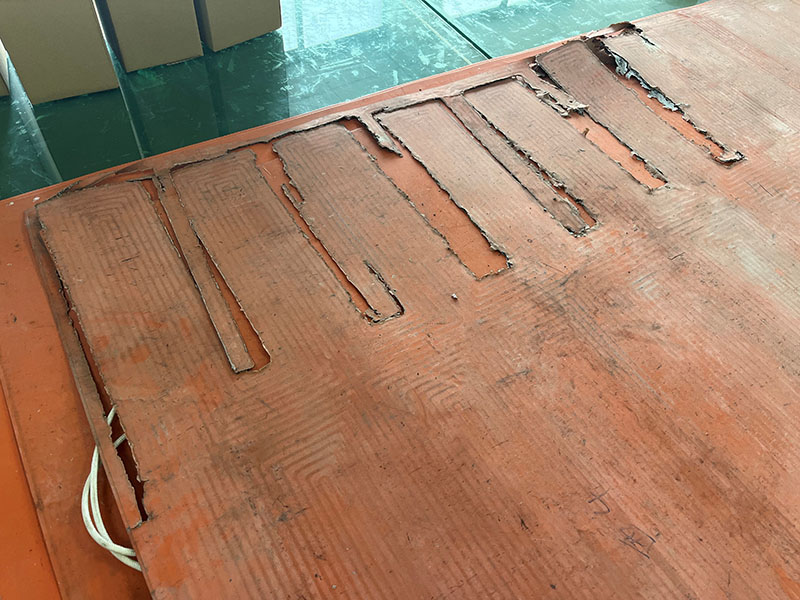
1 Overheating of the heater surface: The local temperature in actual use far exceeds the design range, causing the outer layer of the silicone rubber to burn.
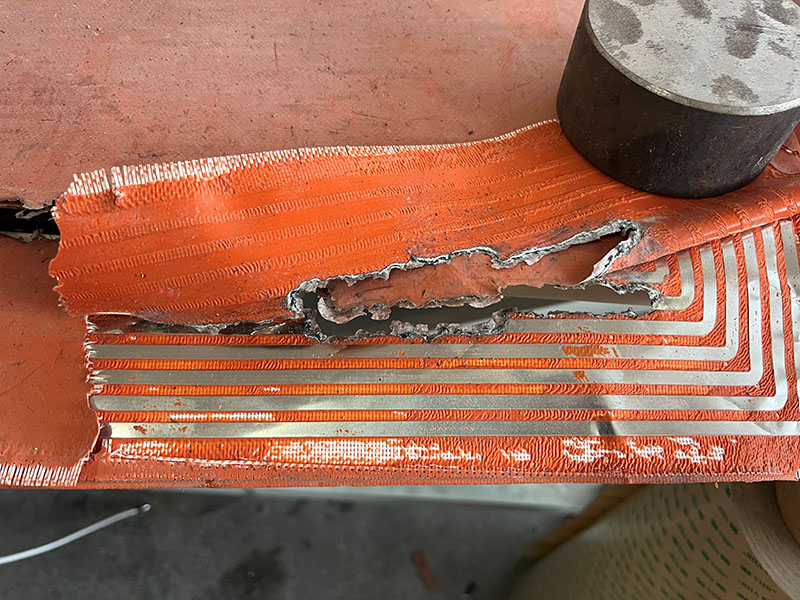
2 Short circuit caused by impurities: Conductive particles or other impurities accumulate on the surface of the heater, forming a local short circuit.
3 External environmental problems: The experimental environment is not fully controlled, and moisture or chemical vapor in the external environment intrudes, accelerating the runaway reaction of the heater.
4 Multiple bendings lead to chip damage: The customer frequently bends the heater during use, causing damage to the internal chip, further exacerbating the short circuit problem.
5 Uneven installation: The heater does not completely fit the heated object (a 10mm thick metal aluminum plate in this experiment), resulting in uneven heat distribution and excessively high temperatures in local areas, which accelerates the damage process.
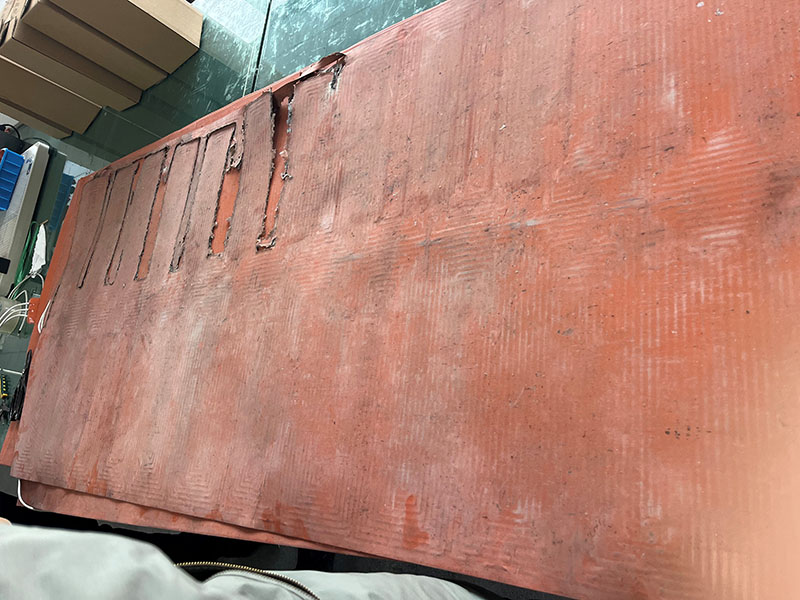
Analysis of the causes of silicone rubber heater damage
1 Temperature over limit The design temperature of silicone rubber heaters is usually 150℃–180℃, and can withstand 250℃ for a short time. However, if the heating power is not strictly controlled or the temperature sensor fails during the experiment, it may cause local overheating, exceeding the material tolerance range.
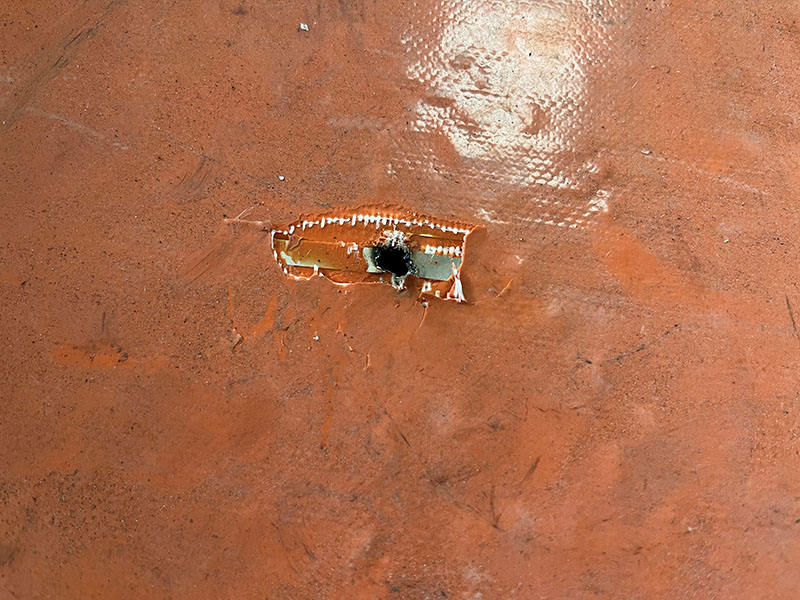
2 Short circuit caused by impurity accumulation If there are conductive particles (such as metal powder) or other impurities at the experimental site, these substances may accumulate on the surface of the heater, which may easily cause wear and scratches on the heating plate during installation. Secondly, a short circuit may also form, causing a sharp increase in local temperature.
3 External environmental corrosion If the experimental environment contains moisture, corrosive chemicals or high-temperature volatiles, these factors may corrode the silicone rubber outer layer and internal electric heating elements of the heater, reduce insulation performance, and eventually cause damage.
4 Multiple bending causes chip damage The flexible design of the silicone rubber heater allows a certain range of bending, but frequent or excessive bending may damage the internal chip and conductive circuit, weaken the heating performance and increase the risk of short circuit.
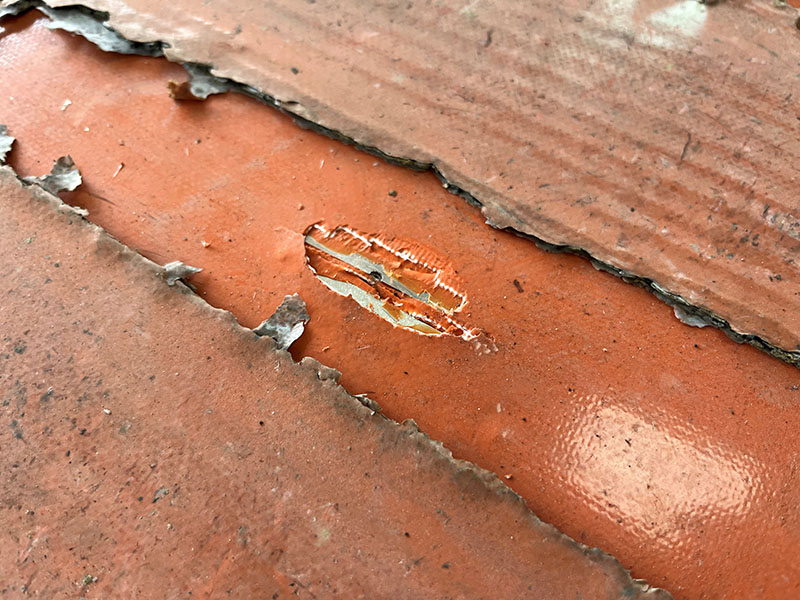
5 Improper installation Improper installation of the heater may cause the heat to be unevenly distributed. Local areas are close to the object, while other areas are suspended, and the heat is concentrated in the contact part, which can easily lead to overheating.
How to determine the cause of heater damage After damage, the following steps can be used to determine the cause:
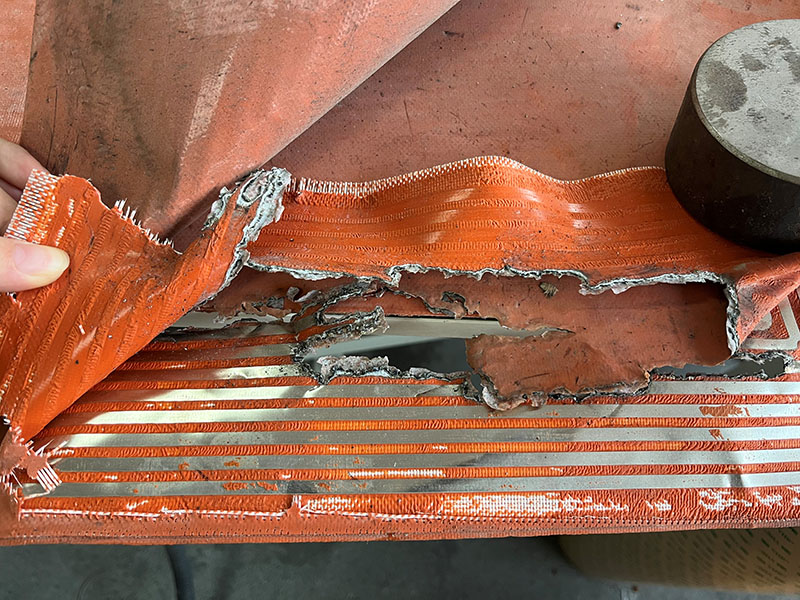
1 Observe the surface of the heater
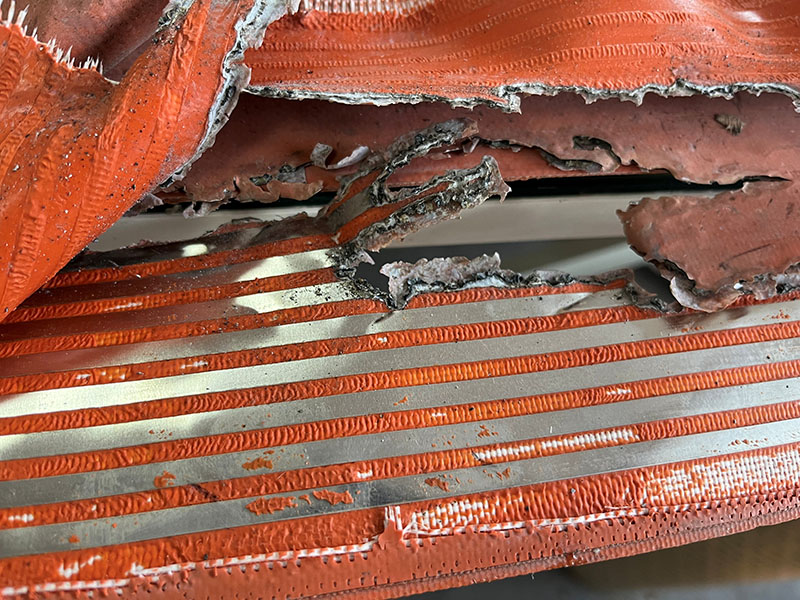
If there are obvious signs of burning or melting on the surface, it is mostly due to temperature exceeding the limit. If there are local carbonized areas and accompanied by conductive residues, it may be impurity short circuit.
2 Detect resistance value
Use a multimeter to detect the resistance value of the heater. If the resistance value changes significantly or is zero, it means that the internal conductor may be damaged or short-circuited.
3 Check the experimental environment
Check whether there are traces of conductive dust, corrosive gas or liquid at the experimental site. Confirm whether the experimental container is sealed intact and whether there is moisture or chemical intrusion.
4 Analyze the working curve of the heater
Review the temperature curve when the heater is running. If the temperature rises too fast or there are abnormal fluctuations, it may be due to temperature control failure or external environment influence.
5 Check mechanical damage
Observe whether the heater has bending marks or structural damage, and confirm whether the chip is damaged due to improper operation.
Precautions and precautions for use
1 Strictly control the temperature range
Use a high-precision temperature controller to monitor the surface temperature of the heater in real time to ensure that it does not exceed the design temperature. Equipped with an over-temperature protection device to automatically cut off the power supply under abnormal conditions.
2 Keep the experimental environment clean
Clean the surface of the heater before the experiment to ensure that there is no dust, metal particles or other impurities. Try to conduct experiments in a controlled environment to prevent external moisture or chemicals from entering.
3 Choose the right heater material
Choose a silicone rubber heater with chemical corrosion resistance according to the experimental environment. If the experiment involves high humidity or chemical gases, a heater with an additional protective coating can be selected.
4 Installation and maintenance
Ensure that the heater is in close contact with the heated object to avoid partial hanging. Avoid frequent or excessive bending of the heater to maintain the integrity of its surface and internal chips. Regularly check the physical condition of the heater, clean the surface impurities in time and replace the aging equipment.
5 Real-time monitoring of the experimental environment
Equipped with environmental sensors to monitor key parameters such as humidity and concentration of volatile chemicals. Set up an alarm device to remind operators to pay attention to environmental abnormalities.
Summary
Silicone rubber heaters show excellent heating performance in thermal runaway experiments, but under extreme conditions, they may be damaged due to temperature exceeding the limit, impurity short circuit, multiple bending, uneven installation or environmental corrosion. Through reasonable installation, regular maintenance, experimental environment control and fault monitoring, the risk of heater damage can be significantly reduced to ensure the safety and reliability of the experiment.